Avoid Fines: Proper Electrical Waste Disposal in Norbiton
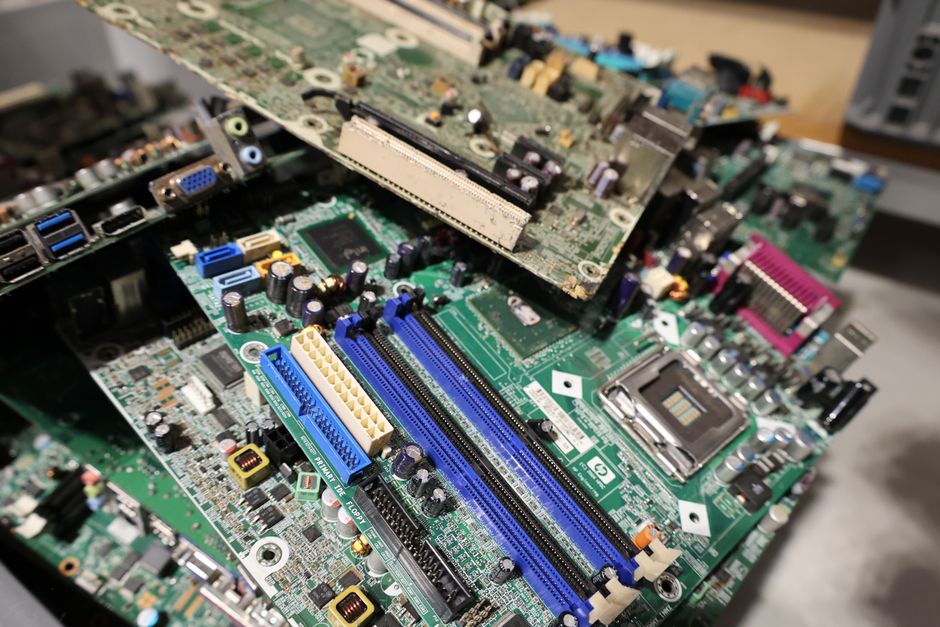
If you have old kettles, monitors, printers, tangled charging cables, or a dead fridge taking up space, electrical waste disposal in Norbiton is not something to put off. It is easy to assume "I'll sort it later" and then, before you know it, the pile has grown into a safety issue, a compliance headache, and possibly a fine waiting to happen. Truth be told, electrical items are one of those things people underestimate until they're standing in a hallway with a broken microwave and nowhere sensible to put it.
This guide explains how to dispose of electrical waste properly in Norbiton, what counts as electrical waste, where the risks come from, and how to stay on the right side of UK expectations without making the process more complicated than it needs to be. You'll also find a practical step-by-step approach, a checklist, and a clear comparison of disposal options so you can choose the method that fits your situation.
For broader household or office clearances that include mixed items, it can help to understand how electrical disposal sits alongside general waste removal and, in business settings, business waste removal. The key is to separate electrical items from ordinary rubbish before they end up in the wrong stream.
Why Avoid Fines: Proper Electrical Waste Disposal in Norbiton Matters
Electrical waste is not ordinary rubbish. Items with plugs, batteries, circuit boards, screens, compressors, or wiring often need special handling because they can contain materials that should not go into general waste. Some can also break easily, leak, spark, or become awkward to store. That matters for homes, landlords, shops, offices, and tradespeople alike.
In Norbiton, as in the rest of the UK, careless disposal can create several problems at once. You may put someone at risk if a broken device has sharp edges or damaged wiring. You may cause contamination if items are mixed with household rubbish. And if waste is fly-tipped or handed to an unlicensed carrier, the responsibility can come back to you. That last point catches people out more often than they expect. It really does.
There's also a practical side. Electrical waste tends to accumulate quietly. One old monitor becomes two. Then a box of cables appears. Then there's a printer that "might still work" sitting in a cupboard for six months. Before long, a tidy room becomes a storage area for things nobody wants to deal with. A proper disposal plan saves time, space, and a lot of second-guessing.
Expert summary: if an item plugs in, charges, contains a battery, or has a circuit board, treat it as electrical waste first and ordinary rubbish second. That simple habit prevents most avoidable mistakes.
How Avoid Fines: Proper Electrical Waste Disposal in Norbiton Works
The process is usually straightforward once you know what you are dealing with. First, identify which items count as electrical or electronic waste. Then separate them from general waste and decide whether they need recycling, reuse, repair, or specialist collection. Finally, make sure they go to a proper destination rather than being dumped with mixed rubbish.
Typical electrical waste includes:
- small appliances such as kettles, toasters, hair dryers, and microwaves
- IT equipment such as desktops, laptops, printers, keyboards, monitors, and routers
- audio and visual items, including speakers, TVs, and gaming consoles
- white goods such as fridges, freezers, washing machines, and dishwashers
- lighting equipment, cables, chargers, extension leads, and power supplies
- battery-powered items, from cordless tools to rechargeable household gadgets
Some items are obvious. Others are sneaky. A lamp may look harmless, but once it has wiring and a plug, it belongs in the electrical category. A toy with a battery compartment does too. And yes, those little forgotten adapters at the back of a drawer count as well.
After sorting, you need the right route. For a single item, local reuse or an approved drop-off route may be enough. For a larger clear-out, a professional collection can be the simplest option, especially if you are dealing with bulky items or mixed waste from a move, renovation, or office refresh. If you're clearing a room as part of a bigger project, it may sit alongside flat clearance, house clearance, or even office clearance where electrical items are only one part of the job.
Key Benefits and Practical Advantages
Getting electrical waste disposal right is not just about avoiding a fine. That matters, yes, but the everyday benefits are often what people notice first.
- It clears space quickly. Old equipment is bulky, and even small devices can create clutter in cupboards, garages, lofts, and storage rooms.
- It reduces risk. Damaged cables, batteries, and cracked casings can create trip hazards, fire risk, or accidental injury.
- It supports recycling. Many electrical items contain materials that can be recovered rather than wasted.
- It protects your reputation. This is especially important for landlords, offices, and businesses that need to look organised and responsible.
- It saves time later. Sorting items properly now is far easier than untangling a messy pile after it has sat there for months.
There's a less obvious benefit too: a proper disposal routine makes future clear-outs easier. Once you know where old devices go, you stop treating them like a problem and start treating them like a process. That is a small shift, but a useful one.
If your waste also includes furniture, broken shelving, or general household items, it can help to bundle that work into a wider plan. Services such as furniture disposal, furniture clearance, or home clearance can keep the job organised rather than turning it into a sequence of half-finished trips.
Who This Is For and When It Makes Sense
Almost everyone in Norbiton will need to deal with electrical waste at some point. Some people only have a few items each year. Others deal with it regularly.
This topic is especially relevant if you are:
- moving home and clearing out old appliances, routers, lamps, and kitchen gadgets
- renovating a property and replacing integrated or freestanding electrical items
- running a business and upgrading IT or office equipment
- managing a rental property after tenants leave unwanted items behind
- emptying a garage, loft, or shed full of forgotten devices
- dealing with broken appliances that are too heavy or awkward to move alone
In a small flat, the issue is often space. In a house, it is often the loft or garage where old tech goes to "live for now". In an office, it is usually the sheer volume of outdated equipment. Different setting, same headache.
It also makes sense to plan ahead if you are disposing of mixed household waste after a big sort-out. For example, a loft packed with cables, old TVs, a fan heater, and a spare printer may also contain boxes, furniture, and general junk. In that case, a more comprehensive loft clearance can be a much easier route than tackling every item one by one.
Step-by-Step Guidance
If you want a clean, low-stress process, follow these steps in order. It sounds simple, and mostly it is, but doing the basics properly saves a lot of hassle.
- Separate electrical items from general rubbish. Walk through the room, cupboard, garage, or office and pull out anything with a plug, battery, screen, cable, or circuit board.
- Check whether items can be reused or repaired. If something still works and is safe, reuse is often better than disposal. A working printer or lamp may not need the skip after all.
- Remove loose consumables. Take out batteries, ink cartridges, and anything detachable where appropriate, following safe handling advice.
- Group items by size and type. Small electronics, screens, white goods, and lighting often need different handling or at least different packing.
- Choose your disposal route. Decide between drop-off, retailer take-back where available, or a professional collection if the load is large, heavy, or time-sensitive.
- Keep the waste dry and accessible. Wet electrics are messier to handle and may become unsafe. Tidy stacks are easier for collection crews too.
- Use a properly licensed waste carrier for larger jobs. This is one of the simplest ways to reduce risk and avoid unpleasant surprises.
- Keep records if you are a business. Basic documentation helps show where the waste went and when it left your premises.
Here's the bit people often miss: the disposal route should match the item, not just the convenience of the moment. A heavy fridge is not the same as a box of headphones. A cracked monitor is not the same as a dead toaster. Treating them all identically is where mistakes start.
If the clear-out is tied to an office refresh, it may be sensible to combine electrical disposal with a broader business collection through business waste removal. That can keep the process orderly and reduce the chance of mixed waste ending up in the wrong pile.
Expert Tips for Better Results
In our experience, the smoothest electrical waste clear-outs are the ones where a little planning happens before anyone starts carrying boxes downstairs. Not glamorous, but effective.
- Label items as you sort. A quick note like "working", "broken", or "recycle" can save time later.
- Don't mix batteries with loose metal items. Batteries can be risky if terminals come into contact with other conductive objects. Keep them stored safely.
- Keep cables together. Use bags or ties so you are not left with a spaghetti-like mess. We've all seen that drawer.
- Check access before collection day. Narrow stairwells, locked gates, or top-floor flats can slow things down if nobody mentions them in advance.
- Plan for bulky items separately. Large appliances often need more than one person to move safely.
- Think about data security. For anything with storage, make sure personal or business data has been removed before disposal or recycling.
A good rule of thumb: if you hesitate because an item "might" be electrical, assume it is. That small caution avoids a lot of accidental mis-sorting.
For trade waste, shop refits, and office refurbishments, timing matters too. If the electrical waste is part of a larger project, arranging a single, coordinated clearance can be far easier than trying to fit it around builders, movers, or staff handovers. Not always, but often enough.
Common Mistakes to Avoid
Most disposal problems come from a handful of repeat mistakes. They are very human mistakes, to be fair, but still avoidable.
- Putting electrical items in general waste. This is the most common and the easiest to stop.
- Leaving batteries inside devices. Some items need batteries removed before recycling or collection.
- Using an unlicensed carrier. Cheap does not always mean safe or compliant.
- Mixing broken screens with other rubble. Screens can shatter and create hazards if packed badly.
- Forgetting small items. Chargers, routers, remote controls, and adapters often get overlooked.
- Assuming "it still works" means it can go anywhere. Functioning items still need the right handling path.
- Leaving waste outside unsecured. That can attract scavengers, weather damage, or fly-tipping issues.
One more mistake people make: waiting until the pile becomes overwhelming. Then the whole job feels bigger than it is. If you tackle it in small, sensible batches, it stays manageable. Small job, small job, small job. Then it is done.
Tools, Resources and Recommendations
You do not need fancy equipment to handle electrical waste properly, but a few practical tools make the process much easier.
- Sturdy boxes or crates for smaller electronics and cables
- Labels or marker pens to separate reusable, recyclable, and broken items
- Zip bags or cable ties for cords, chargers, and accessories
- Basic gloves when handling dusty, sharp, or old equipment
- A clear staging area where items can be grouped before collection
- A checklist so nothing gets missed during the sort-out
For people dealing with a wider property clear-out, useful supporting services may include garage clearance or house clearance. Those are particularly handy where electrical waste is mixed in with old storage, furniture, and general household clutter.
If sustainability is part of your decision-making, it is worth reading the site's approach to recycling and sustainability. That can help you understand how waste streams are separated and why careful sorting matters before items move on.
Law, Compliance, Standards and Best Practice
This is the section where people often switch off a little, but stay with it. You do not need to memorise legislation to make good decisions. You do need to understand the principle: electrical waste should be managed responsibly, traceably, and in line with accepted UK waste practices.
In practical terms, that means:
- not fly-tipping electrical items
- not handing waste to someone who cannot lawfully carry or manage it
- keeping business waste separate and documented where required
- sorting materials so recyclable items can be recovered properly
- treating batteries and damaged items with extra caution
For businesses, this area matters even more. Old office equipment, monitors, printers, and network hardware should be removed in a way that supports traceability and data protection. If a hard drive or laptop is involved, make sure the device is handled safely before it leaves the building. That bit is easy to forget when the room is full and everyone wants it done by Friday.
Best practice also includes using reputable operators, checking how they handle mixed loads, and making sure any collection is suitable for the type and volume of waste involved. If you are arranging a larger job, it is sensible to look for clear processes around insurance and safety, and to understand the provider's terms and conditions before booking. Small detail, big difference.
Options, Methods, or Comparison Table
There is more than one way to handle electrical waste in Norbiton. The best option depends on the amount of waste, the type of item, and how quickly you need it gone.
| Method | Best for | Advantages | Watch-outs |
|---|---|---|---|
| Reuse or donation | Working items in good condition | Keeps items in use and reduces waste | Not suitable for damaged or unsafe equipment |
| DIY sorting and drop-off | Small loads and organised households | Low cost and simple for a few items | Time-consuming if you have bulky or mixed waste |
| Retailer take-back or exchange routes | Replacement appliances or devices | Convenient when buying new items | Usually limited to specific product types or conditions |
| Professional collection | Bulky, mixed, or heavy electrical waste | Fast, organised, and less physically demanding | Should be booked with a suitable, reputable provider |
For many households, the simplest answer is a mix of reuse and professional collection. For offices, a coordinated collection usually makes more sense because the volume is higher and the items are often tied to a wider clearance. No need to turn it into three separate weekends if one organised visit will do.
Case Study or Real-World Example
Imagine a small Norbiton business getting ready for an office refresh. The team has an old printer, six monitors, tangled chargers, a broken desktop tower, and a few lamps that no longer match the new fit-out. There is also some general clutter that has built up in the back room over the years, the kind nobody notices until someone opens the door and says, "Right... we need to deal with this."
If they put everything into one mixed bin, they risk handling issues, poor separation, and possible compliance problems. Instead, they sort the electrical waste first, remove obvious accessories, keep sensitive items together, and book a collection through a service that can manage mixed disposal properly. The office gets cleared, the room becomes usable again, and the team avoids the last-minute panic that so often comes with a fit-out.
The same logic works in a home. A family clearing out a loft may discover an old television, three chargers that no longer belong to anything, a broken lamp, and a wireless printer from years ago. If they sort those items early, the rest of the loft clearance becomes much smoother. Less lifting. Less confusion. Less "where did this even come from?"
Practical Checklist
Use this checklist before you dispose of electrical waste in Norbiton.
- Have I separated electrical items from general rubbish?
- Are any items still usable, repairable, or suitable for reuse?
- Have I checked for batteries, cartridges, or detachable parts?
- Are cables, chargers, and accessories bundled neatly?
- Do I know whether the load includes screens, white goods, or heavy appliances?
- Is access clear for moving or collecting bulky items?
- Have I chosen a disposal route that suits the quantity and type of waste?
- If this is a business load, have I kept records or notes as needed?
- Have I considered data removal for devices that stored personal or company information?
- Is the waste being handled by a responsible and appropriate carrier?
If you can tick those off, you are already ahead of most people. It is not about being perfect. It is about being careful in the right places.
Conclusion
Proper electrical waste disposal in Norbiton is one of those jobs that feels minor until it suddenly is not. Done well, it keeps your home, business, or property project tidy, safe, and much easier to manage. Done badly, it can create clutter, risk, and avoidable expense. The good news? It is very manageable once you separate electrical items early, choose the right route, and avoid the common mistakes.
If your clear-out includes mixed waste, heavy appliances, or a bigger property job, it is usually worth getting organised rather than trying to improvise. A little planning now saves a lot of stress later, and honestly, future you will be grateful. That counts for something.
Get a free quote today and see how much you can save.
Frequently Asked Questions
What counts as electrical waste in a Norbiton home?
Anything with a plug, cable, battery, screen, or circuit board usually counts as electrical waste. That includes kettles, lamps, chargers, printers, monitors, and many small gadgets.
Can I put small electrical items in my general rubbish bin?
No, that is not a safe or sensible default. Small electrical items should be separated and sent through the correct disposal or recycling route instead of being thrown in with ordinary waste.
What should I do with old cables and chargers?
Keep them together and treat them as electrical waste. Cables and chargers are easy to forget, but they should not be mixed into general rubbish if they are part of a disposal job.
Are batteries included in electrical waste disposal?
Yes, battery-powered items need special attention. In some cases batteries should be removed and handled separately, especially where safe separation is possible.
Do broken appliances still need special disposal?
Yes. A broken appliance is still electrical waste, and sometimes it needs even more care because cracked casings, exposed wires, or damaged batteries can create extra risk.
What is the easiest way to dispose of a large amount of electrical waste?
For a big clear-out, a professional collection is often the easiest route, especially if the load is bulky, mixed, or awkward to move. It reduces stress and keeps the job organised.
How do businesses in Norbiton handle old office electronics properly?
Businesses should sort items carefully, protect any data-bearing devices, and keep basic records of what leaves the premises. For larger quantities, a coordinated business collection is usually the neatest option.
Can working electrical items be reused instead of disposed of?
Often yes. If an item is safe and still working, reuse or donation may be better than disposal. It depends on the condition and whether the item is practical for someone else to use.
What happens if I use the wrong waste carrier?
If waste is fly-tipped or managed badly, responsibility can come back to you, especially if you did not check who was taking it. That is why using a suitable carrier matters so much.
Is electrical waste disposal expensive in Norbiton?
Costs vary by load size, item type, access, and whether the collection is part of a larger clearance. Small jobs are usually simpler, while bulky or mixed loads need more planning.
Should I remove data from laptops and devices before disposal?
Yes, that is wise. Any device that may contain personal or business data should be checked and cleared before it leaves your control.
What is the best option if my loft is full of old electronics?
If the loft contains several electrical items plus other clutter, a loft clearance can be far more efficient than sorting everything in isolation. It keeps the job moving and reduces repeated handling.
For service details, booking support, or to discuss a larger clearance in more detail, the best next step is to use the site's contact options or review the available clearance pages that match your situation.
When electrical waste is handled properly, the whole place feels lighter. Less clutter, less worry, and a bit more breathing room. Sometimes that's all you need.