Office Clearance in Norbiton
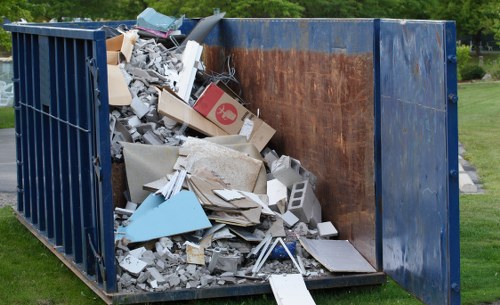
Office clearance in Norbiton needs a practical, orderly approach that makes it easier to clear desks, storage, fixtures and mixed office contents without unnecessary disruption. We handle clearances for businesses that are reorganising, relocating, downsizing or making space for new layouts, with the work shaped around the type of items on site and the access available. The aim is to remove unwanted contents efficiently while leaving the premises ready for the next stage of use.
Our service can cover individual rooms, shared workspaces, storerooms and larger office areas where a careful sweep through furniture and equipment is needed. That may include workstations, chairs, cabinets, shelving, reception items and general office clutter, along with items that need separating for reuse, recycling or disposal. If you are comparing options for a clearance, clear scope and sensible planning make the process easier to manage.
For a straightforward next step, start by listing the main areas to be cleared and the types of items involved. A brief call or message can then be used to shape the work around access, timing and any specific handling requirements. If you are ready to arrange the job, request a quotation and take the first step toward a cleaner workspace.
Workstations, desks and shared office furniture
Office furniture often forms the core of a clearance, and it needs to be removed with care so the room can be reset properly afterwards. Desks, meeting tables, task chairs, filing units and shelving can all vary in size and construction, so the approach is usually based on how the items are arranged and whether they need to be carried through narrow corridors, stairwells or loading points. A sensible clearance plan keeps those practical details in view from the start.
When a workplace is being reorganised, some furniture may be suitable for re-use elsewhere, while other pieces may be worn, damaged or no longer fit for purpose. We can separate different item groups as the work progresses, which helps keep the collection efficient and can make it easier to direct suitable items towards recycling routes. Office clearance is most effective when the furniture mix is assessed alongside the room layout rather than treated as a simple pile of items.
Planning the removal of bulky items
Large furniture can be more time-consuming than smaller loose items because it may need to be dismantled, protected while being moved, or carried in a particular sequence to avoid obstruction. Where possible, clear pathways and obvious item groupings make the work more orderly, but we can also work around the conditions already in place. If you are comparing different approaches, it helps to think about which pieces must go first and which can remain until the final sweep.
Filing, archived paperwork and office storage

Many office clearances involve more than visible furniture. Filing cabinets, archive boxes, locker contents and old storage units often contain mixed materials that need separating carefully. Some items may be destined for disposal, while others could be relevant to records handling, so a measured approach matters. We focus on the physical clearance side, helping remove storage items and accumulated office contents in a way that supports a tidier, more workable space.
Where records or sensitive paperwork are present, the key decision is usually how to sort the clearance into sensible categories before removal. That may mean leaving certain documents aside for internal review while clearing the surrounding furniture and redundant stock. Business waste removal can be a useful related service for offices with ongoing non-domestic waste, but the scope of each job still depends on what is present and what needs to stay on site.
Good office clearances also pay attention to the practical shape of the storage area. A cramped archive room, a bank of cabinets along one wall or a packed back office may each need a different sequence of removal. The point is to reduce clutter in a controlled way, not to rush through the room and create extra sorting work for the client afterwards.
Clearances for relocations, reorganisations and closures
Office clearance is often needed when a business is moving, reducing its footprint or closing a workspace completely. In those situations, the work usually has a natural order: remove surplus furniture, clear storage areas, deal with loose contents and finish with the items that are harder to shift. We can help with that sequence so the premises are left in a usable condition once the main contents have been taken away.
Different commercial changes create different clearance priorities. A relocation may only require selected rooms or older furniture to be removed, while a closure may involve a more complete sweep of desks, storage, reception furniture and back-office contents. For jobs with a broader footprint, home clearance and office work are not the same task, so it is worth matching the service to the setting rather than assuming one approach suits everything.
Useful details to have ready
A concise list of what needs clearing helps us understand the job before any visit or quotation is arranged. It is usually helpful to note the number of rooms, whether there are stairs or lifts, and whether any especially heavy items are involved. If images are available, they can make the enquiry clearer, but a written summary is still useful on its own. Keep the information focused on the items and access, not on general background.
Furniture disposal and recycling routes

Some office items are ready for direct disposal because they are damaged, outdated or beyond practical reuse. Others may be made from mixed materials that should be separated where possible before final removal. Furniture disposal is an important part of many office clearances because it helps deal with bulky items in a responsible way, especially when a workspace contains a blend of wood, metal, plastic and upholstery.
Responsible clearance is not just about taking items away; it is also about handling them in a way that suits their condition and material type. A cabinet that is still usable may be handled differently from a broken chair or a worn desk with damaged surfaces. Where suitable routes are available, recycling can help reduce the amount of mixed waste produced by the job. Our work is centred on the practical removal of office contents and the sorting that supports that process.
Not every item can be treated the same, and that is why a quick visual check of the contents matters before the clearance begins. Heavy fittings, awkward assemblies and items with combined materials can all affect the order of work. Practical sorting makes the removal stage more efficient and helps ensure that items are directed appropriately once they leave the premises.
Smaller rooms, storage areas and clearance detail
Not every office job involves a whole floor or a large suite. Sometimes the request is for a single store room, print area, breakout space or back office that has collected spare items over time. Those smaller jobs still benefit from a careful approach because the mix may include stationery units, archive material, broken furniture and general clutter all in one place. A tidy, methodical clearance helps keep the work manageable.
If a room has become a catch-all for obsolete items, the first task is often to separate what is to remain from what can go. That simple distinction can make the clearance smoother, particularly where the space is still partly in use. Loft clearance may sound different, but the underlying idea of careful sorting before removal can be familiar where office storage is compact and access is limited.
When access affects the job
Access has a real impact on how an office clearance is carried out. Narrow corridors, limited parking, shared entrances and upper-floor rooms can change the sequence of removal even when the item list is fairly simple. In those cases, planning is less about formality and more about keeping the job safe and orderly. Good access information makes it easier to choose the right approach and avoid delays on the day.
Office equipment, mixed contents and final tidy-up

An office can contain a wide variety of contents beyond ordinary furniture. Printers, monitors, small cabinets, display units and mixed stored items all need to be considered as part of the overall clearance. The physical removal has to account for shape, weight and how each item moves through the building. That is why office clearance works best when the contents are viewed as a set of connected tasks rather than a single lift-and-go job.
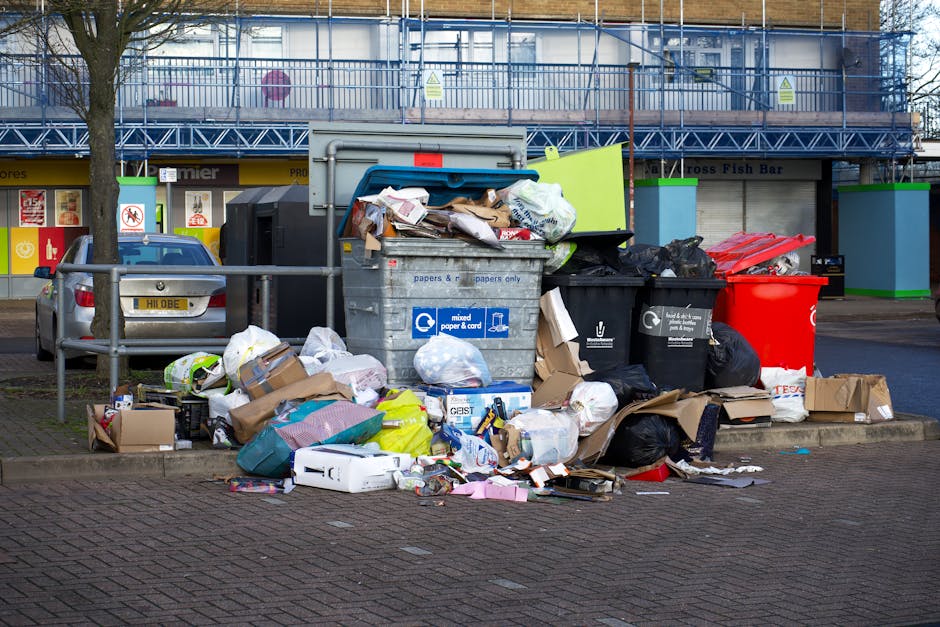
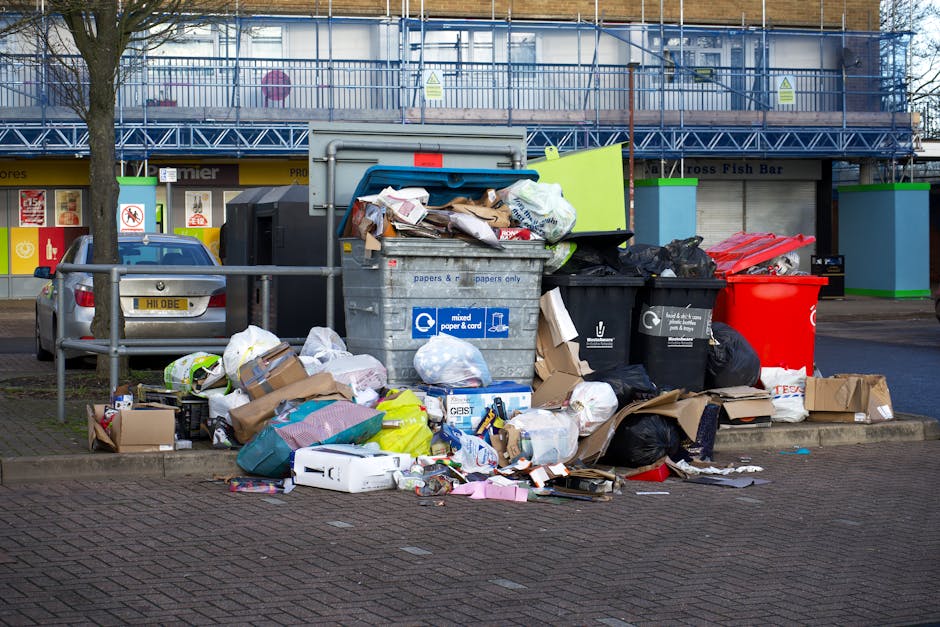
After the main items have been cleared, there is often a final sweep through remaining loose material, packaging, broken pieces and residual clutter. That finishing stage is important because it helps the room feel properly reset rather than only partly emptied. Waste removal may be relevant for the lighter mixed material left behind once the larger office items have been handled, but the overall plan still depends on the room and the contents.
Where a premises is being handed over, the final stage often matters as much as the first. A well-run clearance leaves fewer awkward leftovers for the client to manage afterwards and gives a clearer picture of what remains in the building. That makes the next step, whether it is refurbishment, reconfiguration or closure, easier to organise.
About Norbiton
Norbiton is an area in the Royal Borough of Kingston upon Thames in southwest London, lying to the east of Kingston town centre and close to the River Thames corridor. It is shaped by a mix of residential streets, local shopping parades and transport links, with Norbiton railway station providing a convenient rail connection on the South Western network. The wider district sits within a part of London long associated with royal and ecclesiastical history, while the modern streetscape reflects later suburban growth and twentieth-century redevelopment. Nearby Kingston Hospital is one of the most prominent institutions in the area, and its presence has become an important part of the local landscape. Norbiton also lies within reach of larger green spaces such as Richmond Park, whose open heathland and deer park form one of the best-known landscapes in London. The area’s streets include a variety of housing styles, from Victorian and Edwardian terraces to later flats and maisonettes, giving it a layered architectural character rather than a single uniform identity. As part of Kingston, it shares in the borough’s long-established shopping, cultural and civic life, while remaining distinct through its local station, residential streets and proximity to both the town centre and the wider southwest London network.
Choosing the right clearance for your office
Office clearance is not one fixed format. Some clients need a light removal of surplus furniture, while others need a deeper clear-out involving storage, equipment and loose contents across several rooms. The right approach depends on what is on site, how much needs to go, and what access or sequencing issues might affect the work. A clear brief helps make the service more accurate from the outset and avoids unnecessary handling later on.
It can also be useful to think about which elements are best dealt with together. Desks and chairs may be removed in one phase, storage units in another, and small mixed items at the end. Where a job overlaps with other clearance needs, related services such as flat clearance are available on the same website, but office work should still be scoped around the actual commercial premises and contents.
When you are ready to move forward, the simplest route is to set out the rooms involved, the main item types and any access concerns in one short message. That gives a solid basis for an accurate response and keeps the process efficient for everyone involved. Request a quotation when you are ready to compare the practical next step.
Clearance options for different business needs

Some offices need a targeted clearance of a single department, while others require a broader emptying of the entire premises. The work can be adjusted to suit a move, a refurbishment, a lease end or the gradual removal of surplus content from a live workspace. In each case, the main aim is to keep the clearance organised enough that the building can continue to be used or prepared without extra mess or confusion.
Related pages on the site reflect different kinds of clearance work, which can help when the contents include more than standard office furniture. For example, furniture clearance may suit mixed furniture-only jobs, while garage clearance and builders waste clearance address other kinds of bulky or leftover material. The most appropriate choice depends on the nature of the items, not just the room they are in.
If you need help deciding how to describe the job, focus on the rooms, the objects to be removed and any items that must stay behind. That is usually enough to shape a sensible quotation request. Send the details when you are ready, and keep the scope simple, specific and tied to the actual office clearance you need.