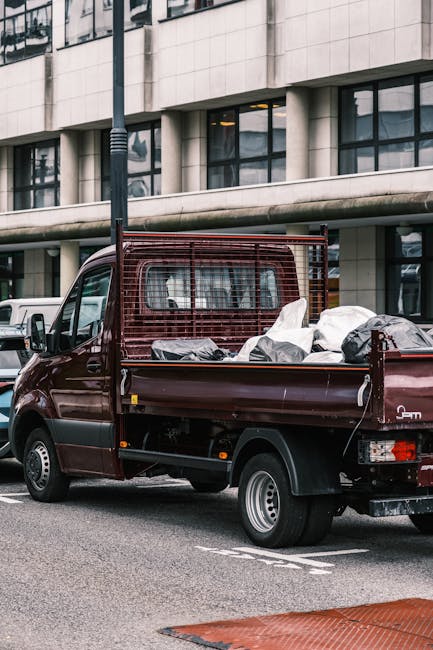
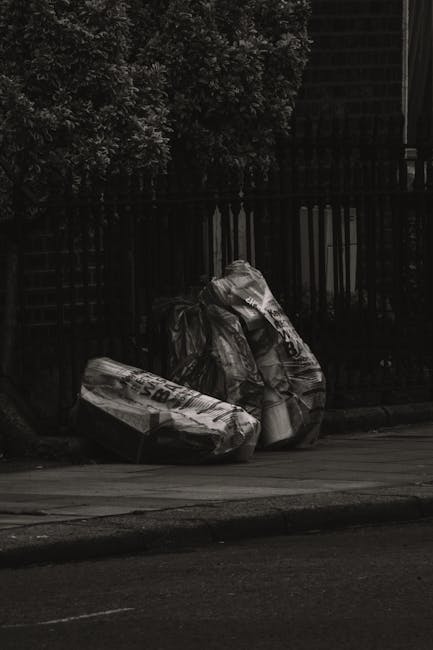
Avoid Fly-tipping Fines: Urgent Rubbish Removal in Norbiton
If you have ever stood by a front garden, a side alley, or a packed office doorway and thought, "Right, this has to go today," you are not alone. Rubbish has a funny way of building up quietly, then suddenly becoming urgent. In Norbiton, that urgency matters even more when unwanted waste is left out in the wrong place, for too long, or handed to the wrong person. Avoid Fly-tipping Fines: Urgent Rubbish Removal in Norbiton is really about acting fast, staying on the right side of local rules, and making sure waste is removed properly rather than becoming someone else's problem.
This guide explains what counts as fly-tipping risk, how urgent rubbish removal works in practice, why it helps protect you from avoidable penalties, and what to check before you book. It is written for homeowners, landlords, business owners, tenants, and anyone staring at a growing pile of waste and wondering what on earth to do next. Truth be told, the cheapest option is not always the safest one.
Table of Contents
- Why Avoid Fly-tipping Fines: Urgent Rubbish Removal in Norbiton Matters
- How Avoid Fly-tipping Fines: Urgent Rubbish Removal in Norbiton Works
- Key Benefits and Practical Advantages
- Who This Is For and When It Makes Sense
- Step-by-Step Guidance
- Expert Tips for Better Results
- Common Mistakes to Avoid
- Tools, Resources and Recommendations
- Law, Compliance, Standards, or Best Practice
- Options, Methods, or Comparison Table
- Case Study or Real-World Example
- Practical Checklist
- Conclusion
- Frequently Asked Questions
Why Avoid Fly-tipping Fines: Urgent Rubbish Removal in Norbiton Matters
Fly-tipping is not just an eyesore. It creates a trail of problems: blocked pavements, trip hazards, vermin attraction, bad smells, fire risk, and awkward conversations with neighbours or landlords. In a place like Norbiton, where residential streets, shared access routes, and busy local businesses often sit close together, rubbish left in the wrong spot can spread from being a nuisance to becoming a liability very quickly.
The fine part catches people out. Many assume that if they did not personally dump the waste in a field or alley, they are safe. Not always. If waste is left illegally, handed to an unlicensed operator, or not managed with enough care, there can still be consequences. A receipt scribbled on the back of an envelope is not much comfort if the waste later turns up somewhere it should not. That is why fast, documented, proper rubbish removal matters.
There is also the simple local reality. A taped-up sofa, broken office furniture, or builder's debris outside a property tends to attract more waste. One bag becomes three. One chair becomes a small pile. Then someone else sees it and thinks, well, why not. It happens fast. Especially on a damp evening, with bins already full and everyone assuming "someone else will sort it tomorrow."
Practical takeaway: the safest way to avoid fly-tipping problems is to remove waste promptly, use a legitimate service, and keep a clear record of disposal. Fast action is not just convenient; it is protective.
How Avoid Fly-tipping Fines: Urgent Rubbish Removal in Norbiton Works
Urgent rubbish removal is straightforward when it is handled properly. The process usually starts with identifying what needs to go, how much there is, and whether any of it needs special handling. A good provider will ask sensible questions rather than rushing straight to a price. That is a good sign, not a nuisance.
In practice, the process often looks like this:
- Assessment: You describe the waste, location, access, and timing. Photos help, especially if the rubbish is mixed or awkwardly placed.
- Quote: You receive a clear estimate based on load size, labour, access, and disposal requirements. If you want to understand charging structures more clearly, the site's pricing and quotes page is a useful place to start.
- Scheduling: The removal is arranged as soon as possible. For urgent jobs, timing is usually the whole point.
- Collection: Items are loaded safely, with care taken not to damage walls, floors, stairwells, or shared entrances.
- Transport and disposal: Waste is taken to the appropriate facility or transfer point, and recyclable materials are separated where possible.
- Confirmation: You should receive confirmation or documentation appropriate to the job, especially for commercial or landlord use.
That last point matters more than people think. If you are a landlord clearing a property, a letting agent preparing a handover, or a business moving out of a unit, paperwork can be as important as the physical clearance. It proves the waste went where it should have gone.
At the same time, you want a service that treats safety properly. Heavy lifting, sharp edges, broken glass, and awkward access are not minor details. They are the bits that cause injuries when people rush. A responsible team will follow a proper health and safety policy and carry suitable insurance and safety measures for the work they do.
Key Benefits and Practical Advantages
People usually call for urgent removal because they need the problem gone. Fair enough. But the best services do more than clear space. They reduce stress, lower risk, and help you avoid messy follow-on issues that can take far longer to sort out than the original pile of waste.
- Lower fly-tipping risk: Fast removal reduces the chance of rubbish being added to or dumped elsewhere.
- Cleaner presentation: This matters for rented homes, property sales, shopfronts, office exits, and communal entrances.
- Safer access: Clear pathways mean fewer trip hazards and better day-to-day movement.
- Better compliance: Responsible disposal is easier to evidence than a DIY solution with no paper trail.
- Less disruption: If you are on a deadline, a prompt clearance prevents the job from spreading across several days.
- Recycling where possible: Many mixed loads contain reusable or recyclable materials that should not simply be treated as general waste.
To be fair, one of the biggest benefits is psychological. Once the pile is gone, the space feels usable again. The air seems lighter. That sounds a bit dramatic, but anyone who has cleared a hallway full of old boxes or a storage room with a mouldy smell knows exactly what that means.
If sustainability matters to you, it is worth looking for a provider that takes sorting seriously. You can read more about responsible disposal on the site's recycling and sustainability page. That is where the practical side of waste management meets the environmental side, and both matter.
Who This Is For and When It Makes Sense
Urgent rubbish removal in Norbiton makes sense for a wide range of people. The most obvious cases are bulky or awkward waste, but the need often shows up in less dramatic ways too. A few bags of office clutter can become a fire exit issue. A broken wardrobe in a shared hallway can turn into a complaint from neighbours. A landlord preparing a new tenancy may need a property cleared quickly between check-out and cleaning.
This service is often right for:
- Homeowners clearing old furniture, garden waste, or loft clutter
- Tenants who need to leave a property tidy without breaching tenancy expectations
- Landlords and letting agents dealing with end-of-tenancy items left behind
- Office managers removing desks, chairs, packaging, archive waste, or refurb debris
- Shop owners needing fast clearance before a reopening or inspection
- Tradespeople looking to remove leftover materials quickly and safely
Sometimes the trigger is a deadline. Sometimes it is a complaint. Sometimes it is simply that the rubbish has become embarrassing, and honestly, that is enough. If the waste is visible from the street or likely to be mistaken for fly-tipping, speed matters more than usual.
If you are handling a commercial move or office clearance, it may help to start from the main Norbiton office clearance service and then work out what needs urgent removal versus planned clearance. That keeps the job tidy rather than chaotic.
Step-by-Step Guidance
If you want to reduce the chance of fines and headaches, a simple process works best. No drama. No guesswork. Just a sensible sequence.
- Identify the waste correctly. Separate general household rubbish, furniture, electricals, green waste, and anything sharp, heavy, or potentially hazardous. If something looks unusual, say so from the start.
- Check what must not be left out. Do not place rubbish in communal areas, on pavements, or near bins unless you know it will be collected legitimately and quickly. Leftovers are what get people into trouble.
- Take photos. This helps with quoting and creates a record of what was removed. Useful, plain and simple.
- Ask how disposal is handled. A proper provider should be able to explain where your waste goes and how recyclable items are separated.
- Confirm timing. If the issue is urgent, make sure the collection window is realistic. A same-day promise is only useful if it actually happens.
- Keep your paperwork. Save invoices, job confirmations, or notes about what was removed.
- Inspect the area after collection. Check for stray screws, broken glass, or packaging that may have been missed.
A small detail here: if you are dealing with a property that has shared access, warn neighbours or building management if needed. Not because you need permission for every move, but because a heads-up can prevent misunderstandings. A van parked outside for twenty minutes can cause less friction than a surprise all afternoon.
Expert Tips for Better Results
Over time, the jobs that go smoothly tend to share the same habits. Nothing flashy. Just good preparation and decent communication.
1. Sort what you can before collection
Even a rough split between furniture, bagged rubbish, cardboard, and recyclables helps. It often makes loading quicker and disposal cleaner. You do not need to become a waste-sorting enthusiast. Thankfully.
2. Be honest about access
Narrow staircases, basement steps, permit parking, lift access, locked gates, or awkward rear entries all affect the job. If access is tight, say so early. It saves time and avoids the classic "oh, there are three flights of stairs" moment.
3. Ask about recycling rates in general terms
You do not need a lecture, just a clear explanation of how reusable and recyclable material is handled. Responsible operators should have a sensible approach rather than dumping mixed waste into one stream and hoping for the best.
4. Keep an eye on timing around tenancy or closure dates
If you are moving out, handing back keys, or closing a premises, book a bit earlier than you think you need to. People underestimate how long the final tidy-up takes. Always.
5. Use the quote stage to test professionalism
Do they answer questions clearly? Do they explain what is included? Do they ask for details instead of guessing? Good service often reveals itself in the first five minutes.
A useful extra check is how the provider handles payments and security. You want a straightforward process, not something clunky or unclear. The payment and security information should reassure you that the transaction side is handled properly too.
Common Mistakes to Avoid
Most fly-tipping problems are not caused by bad intentions. They come from rushed decisions, vague arrangements, or assuming "it'll be fine." Usually it isn't.
- Leaving waste outside too long: Even bagged rubbish can look like an invitation for further dumping.
- Using an unlicensed or unclear operator: Cheap upfront can become expensive later if the waste is mishandled.
- Not checking what is included in the quote: Labour, access, heavy items, and special waste can change the final price.
- Forgetting about hidden waste: Under-stair clutter, loft items, cupboard contents, and rear yard waste are easy to overlook.
- Mixing hazardous or specialist waste with general rubbish: This can create disposal issues and safety concerns.
- Assuming the council will deal with private waste promptly: Local authority services have their own rules and timings, and they are not designed for every urgent scenario.
One common trap is the "temporary pile" that becomes permanent by accident. A bag outside on Friday still being there on Monday. Then Tuesday. Then it starts to look less like an accident and more like neglect. Not a great position to be in.
Tools, Resources and Recommendations
You do not need fancy equipment to manage rubbish well, but a few basic tools make the process much safer and cleaner.
- Heavy-duty sacks or boxes for broken-down waste
- Gloves for handling sharp, dirty, or dusty items
- Mask and basic protective wear if dust or mould is present
- Labels or marker pens for separating items by type
- Phone camera for photos before and after collection
- Measure tape if access is tight or you need help estimating volume
For local decision-making, it helps to work with a provider who is clear about process and disposal expectations. If you need to understand how complaints are handled, or what happens if something does go wrong, it is a good sign when a business makes its complaints procedure easy to find. That shows they are not hiding behind vague promises.
Likewise, if you value accessible information and clear site navigation, support pages matter. Even practical customers notice whether a business is organised. The accessibility statement may not remove your rubbish, but it does say something about how seriously the business treats user experience and clarity.
Law, Compliance, Standards, or Best Practice
Waste removal is one of those areas where common sense overlaps heavily with legal responsibility. In the UK, waste should be passed to an authorised carrier and handled in line with applicable waste regulations and local expectations. The details can vary by situation, so it is sensible to be careful rather than casual.
Here are the practical principles that matter most:
- Do not assume someone is licensed. Ask questions and check legitimacy before handing over waste.
- Keep a record. Invoices, job notes, and confirmation of collection can help show that you acted responsibly.
- Separate hazardous or specialist items. Paints, chemicals, and some electrical items may need different handling.
- Use safe loading methods. Heavy or awkward items should be carried and lifted properly to avoid injury.
- Protect shared areas. Hallways, lifts, staircases, and entrances should be left clean and undamaged.
For businesses, compliance is not just about avoiding penalties. It is also about reputation. A shop, office, or landlord who lets waste pile up sends the wrong message, even if only temporarily. And yes, people notice. Especially in a busy street or a mixed-use block where everyone sees everything.
Responsible operators usually make their modern slavery statement, safety practices, and disposal standards available because trust is built on transparency, not slogans. That sort of detail matters more than most people admit.
Options, Methods, or Comparison Table
If you are trying to choose the best way to deal with waste quickly, it helps to compare the main options side by side. Different situations call for different answers.
| Method | Best for | Pros | Limitations |
|---|---|---|---|
| DIY trips to the tip | Small loads, flexible schedules | Can be low cost if you already have transport | Time-consuming, physically demanding, limited by vehicle space |
| Skip hire | Longer projects, renovation waste | Useful for ongoing clear-outs | Needs space, permits may apply, not ideal for urgent street-visible waste |
| Urgent rubbish removal | Fast clearances, bulky items, mixed waste | Quick, labour included, reduces visible waste risk | Cost varies by load and access |
| Council collection | Certain bulky items where available | May suit simple household disposal needs | Can be slower and less flexible for urgent situations |
In a hurry, the most useful comparison is not "cheapest versus most expensive." It is "what stops this becoming a problem by tonight?" That changes the answer. Quite a lot, actually.
Case Study or Real-World Example
Consider a small office near Norbiton that has just finished a relocation. Two desks, a broken office chair, a pile of cardboard, and some old shelving have been left near the rear access point because the final keys handover is happening the same day. A manager hopes the team can "sort it tomorrow," but the site is visible from the shared alley, and nearby occupiers are already noticing the clutter.
By early afternoon, the situation has changed. Someone has added a bag of general rubbish. A cardboard box has split in the rain. One of the shelves is now leaning awkwardly against a wall, which is never a good look. The manager calls for an urgent clearance, shares photos, confirms access, and asks how the waste will be handled. The team removes everything the same day, clears the alley, and provides confirmation of disposal.
What changed? Not magic. Just quick action, a clear plan, and a responsible route for getting the waste moved properly. Without that, the pile might have stayed long enough to attract complaints or worse. And nobody wants the local "mystery dump" story attached to their name. It sticks.
Practical Checklist
Use this checklist before booking urgent rubbish removal in Norbiton. It is simple, but it helps avoid the common traps.
- Identify exactly what needs removing
- Separate bulky items, mixed waste, and anything potentially hazardous
- Take photos of the load and access route
- Confirm the timing you actually need
- Ask how waste will be transported and disposed of
- Check that the provider can explain safety and insurance basics
- Review pricing details carefully before agreeing
- Keep all collection and payment records
- Make sure the area is clean after removal
- Use a provider with clear sustainability practices where possible
If you want the smoothest route, start with a provider that explains costs openly. The page on pricing and quotes is useful for understanding what to expect before you commit. It saves that awkward moment where a job seems cheap until it suddenly is not.
Conclusion
Avoiding fly-tipping fines is not really about fear. It is about doing the sensible thing early, before waste becomes a nuisance, a hazard, or a compliance headache. In Norbiton, where homes, offices, and shared spaces often sit close together, urgent rubbish removal is one of the quickest ways to stay tidy, protect your reputation, and keep things moving.
If you remember only one thing, make it this: remove waste promptly, use a trustworthy service, and keep a record of what happened. That combination does a lot of heavy lifting. It protects you, it protects the space, and it reduces the chance of a small rubbish issue becoming a much bigger one.
Get a free quote today and see how much you can save.
And if you are still staring at a pile of stuff by the door, that first step is usually the hardest one. After that, things tend to feel a lot calmer.
Frequently Asked Questions
What counts as fly-tipping risk around a property?
Any waste left in an unauthorised place, especially on pavements, in alleys, beside shared bins, or on private land without permission, can create fly-tipping risk. Even if the rubbish was not dumped maliciously, leaving it exposed can still lead to trouble.
How quickly should urgent rubbish removal happen?
As quickly as possible, ideally before waste attracts more dumping, becomes a safety issue, or causes complaints. The right timing depends on access, load size, and availability, but if the waste is already visible from the street, speed matters.
Can I leave rubbish outside overnight if I plan to collect it later?
It is usually better not to. Overnight exposure can attract more waste, worsen the appearance of the property, and create confusion about whether it is abandoned. If it must be outside briefly, keep that window as short as possible.
Is urgent rubbish removal only for large loads?
No. Sometimes one sofa, a few bags, or a broken set of office chairs is enough to create a problem. Urgency is about the situation, not just volume.
How do I know a rubbish removal service is legitimate?
Look for clear contact details, transparent pricing, sensible questions during the quote stage, and information about insurance, safety, and disposal practice. A legitimate provider should be happy to explain how they work.
What should I do if the waste includes broken glass or sharp items?
Tell the provider in advance and avoid handling it bare-handed. Place sharp items securely where possible, but do not take risks. Safety should come first, especially in tight hallways or busy access areas.
Do I need paperwork for rubbish removal?
For many jobs, yes, at least in basic form. An invoice, collection note, or confirmation of disposal can help demonstrate that you acted responsibly. This is especially useful for landlords, businesses, and managed properties.
Is same-day rubbish removal available in Norbiton?
It can be, depending on the provider, the size of the job, access, and current scheduling. If same-day removal is essential, say so immediately when you enquire.
What happens to recyclable items in a mixed rubbish load?
Responsible providers should separate recyclable materials where practical and route them appropriately. Mixed loads often contain cardboard, metal, wood, and other items that can be treated more carefully than general waste.
Can urgent rubbish removal help with end-of-tenancy clearances?
Yes. It is especially useful when tenants have left items behind, or when a landlord needs to prepare a property quickly for cleaning, inspection, or re-letting. Fast action can prevent delays and keep everyone calmer.
How do pricing and access affect the final cost?
Load size, labour, the type of waste, and ease of access all affect pricing. A narrow staircase, basement access, or a long carry distance can change how a job is quoted. That is why photos and honest descriptions save time.
Why does sustainability matter in rubbish removal?
Because the goal is not simply to make waste disappear. Good waste handling reduces the amount sent to disposal, supports recycling where possible, and helps avoid unnecessary environmental harm. It is the sensible, grown-up way to do the job.
If you want to check wider site policies before booking, you can also review the company's health and safety information, recycling commitments, and insurance details. Small things, maybe. But they are the details that help a service feel properly run, and that matters more than people think.