Avoid hidden charges in Norbiton rubbish removal quotes
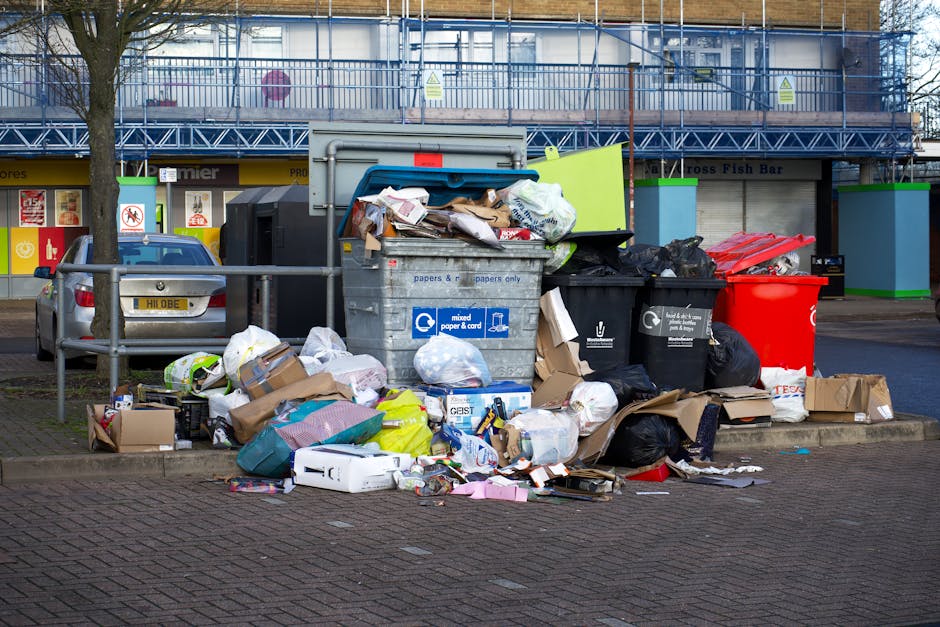
If you have ever asked for a rubbish removal quote and then felt a bit uneasy about the final bill, you are not alone. In Norbiton, where homes, flats, gardens, garages and small businesses all generate different kinds of waste, the price can look simple at first and then suddenly grow arms and legs. The good news is that it does not have to be that way. This guide explains how to avoid hidden charges in Norbiton rubbish removal quotes, what a fair quote should include, and how to compare services without getting caught out by vague wording or awkward add-ons.
You will find practical steps, local know-how, and a few red flags to watch for. Nothing fancy. Just the stuff that helps you make a clear, confident decision and avoid that sinking feeling when the invoice lands.
Why Avoid hidden charges in Norbiton rubbish removal quotes Matters
Let's face it: rubbish removal is one of those jobs people want done quickly, quietly and without drama. But when the quote is unclear, the job can become expensive in a very ordinary, very annoying way. Hidden charges usually creep in through vague estimates, extra labour, access issues, item restrictions, disposal surcharges, or minimum load rules that were never made obvious upfront.
In Norbiton, that matters for a few reasons. Many properties have narrow access, shared entrances, top-floor flats, side return spaces, parking limits, or awkward garden routes. A provider that does not ask the right questions may quote low, then add "access fees" or "extra carrying" charges later. Sometimes the issue is not even malicious. It is just sloppy quoting. But sloppy still costs money.
There is also the trust factor. If a company is transparent about pricing, it is usually a decent sign that the rest of the service will be organised too. If the quote is muddy, the collection day can be messy. Simple as that.
Key takeaway: a good Norbiton rubbish removal quote should explain what is included, what could change the price, and how the final figure is calculated. If you cannot see that clearly, ask before you book.
How Avoid hidden charges in Norbiton rubbish removal quotes Works
To avoid hidden charges, you need to understand how a proper rubbish removal quote is built. Most reputable services base the price on a mix of volume, type of waste, labour, access, loading time, disposal costs, and any special handling requirements. That sounds technical, but in practice it is straightforward.
Here is the basic flow:
- You describe the waste - what it is, how much there is, and where it is located.
- The provider estimates the load - often by photos, item count, van space, or a site visit.
- They check the practical details - parking, stairs, distance from the property, heavy items, mixed materials, or restricted waste.
- A quote is issued - ideally with clear inclusions and exclusions.
- The collection happens - and the final price should match the quote unless you changed the job.
The important part is this: the final bill should only change if the actual job differs from the original description. For example, if you said it was a small garage clearance but on arrival it is a stuffed loft, a revised quote may be fair. If nothing changed and the price suddenly jumps, that is where problems start.
A clear quote usually separates the main service from extras such as dismantling furniture, heavy-lift items, or waiting time. That way you can decide whether you want those extras or whether you can do a bit of prep yourself before the team arrives. A little prep goes a long way, honestly.
Key Benefits and Practical Advantages
When you know how to avoid hidden charges in Norbiton rubbish removal quotes, you get more than just savings. You get control. You know what you are paying for, you know what to expect on the day, and you can compare providers on a like-for-like basis instead of guessing.
- Clear budgeting: easier to plan for a house clearance, garden tidy-up, office move, or last-minute cleanout.
- Fewer surprises: no awkward conversation after the van is already outside.
- Better comparisons: you can compare total cost, not just a headline price that looks cheap but is incomplete.
- Less stress: you know whether the company will charge for stairs, parking delays, or lifting heavy items.
- Better service quality: transparent pricing often goes hand in hand with better communication overall.
There is another practical advantage people sometimes miss. When the quote is clear, you can choose the most cost-effective way to prepare the job. Maybe you move lighter bags to the front room before collection. Maybe you separate reusable items from waste. Maybe you book a smaller load. Tiny decisions, but they matter.
Who This Is For and When It Makes Sense
This matters for just about anyone in Norbiton who needs rubbish removed and wants to avoid feeling nudged into paying more than necessary. That includes homeowners, renters, landlords, letting agents, office managers, shop owners, builders, and anyone clearing out after a move or a renovation.
You will especially benefit if:
- you are comparing several rubbish removal quotes and one looks suspiciously low;
- you have items in a loft, shed, basement or flat with tricky access;
- you are disposing of mixed waste rather than one tidy pile;
- you need same-day or next-day collection and want to avoid rush pricing traps;
- you are clearing bulky furniture, garden waste, builder's waste, or a full room;
- you want a fair price without spending half the week decoding fine print.
If you are doing a one-off clearance, the risk of hidden extras can feel even more frustrating because you may not know what is normal. That is where a good local provider, with transparent pricing and a plain-English explanation, makes a real difference. No theatrics, no nonsense. Just clarity.
Step-by-Step Guidance
Here is the simplest way to protect yourself before you accept a quote. Follow the steps in order, and you will cut out most of the common traps.
1. Describe the job in plain terms
Do not just say "a few bits and pieces." Say whether it is furniture, bags of household clutter, garden cuttings, office waste, or building debris. Include rough quantities and where the items are. "One sofa from a second-floor flat with no lift" is more useful than "a sofa."
2. Share photos from different angles
Photos are incredibly helpful. Send wide shots and close-ups. If there is a cupboard full of mixed items, show that too. A provider cannot quote fairly if they are staring at a blurry image of one mystery box in the corner.
3. Ask what is included in the price
This is where the hidden charges usually reveal themselves. Ask whether the quote includes labour, loading, disposal, mileage, VAT if applicable, and any minimum charge. Ask about stairs, long carries, parking, and out-of-hours work too.
4. Confirm what counts as an extra
Find out what would change the price on the day. For example, is there an additional fee for mattresses, fridges, plasterboard, paint tins, or heavy items? What about items that need special handling? Better to know now than while the van is already idling outside.
5. Check access details honestly
Be honest about gates, stairs, parking, narrow hallways, loading distance, and whether the team can park right outside. In Norbiton, where some streets are easier than others, access can affect labour time more than people expect.
6. Ask for a written quote
Even a short written message helps. It creates a record of what was agreed and reduces confusion later. A proper written quote should say what the job is, what the price includes, and what may trigger a revision.
7. Compare total value, not just the lowest number
The cheapest quote is not always the cheapest job. If one company includes all labour and disposal while another adds separate fees later, the low quote is a bit of a mirage. Compare the full picture.
8. Reconfirm before collection
If anything changes, tell the provider before arrival. More waste, heavier items, or restricted access can affect the price. If nothing has changed, the final invoice should not either. That is the test.
Expert Tips for Better Results
A few practical habits can save you money and a headache or two. These are the things people often forget because they seem small at the time.
- Split "mixed waste" into categories before quoting. A pile of garden waste, cardboard, and old furniture is easier to price accurately than one big mystery heap.
- Be wary of very short answers. If someone gives a quote without asking any questions, that price may not be well thought through.
- Ask whether the quote is fixed or estimated. Estimated is not bad, but it should be explained clearly.
- Check for loading assumptions. Some prices assume ground-floor access and immediate loading. That is not the same as carrying everything from a top-floor flat through a narrow stairwell at 4.30pm.
- Prepare what you can. Bag loose items, separate reusable goods, and make sure the route to the waste is clear. Small effort, real payoff.
- Keep one eye on disposal type. Different waste streams can affect disposal costs. That is normal, but it should be explained, not slipped in quietly.
One tiny but useful habit: when you get a quote, repeat it back in your own words. Something like, "So that covers loading, disposal, and the two flights of stairs, right?" It feels almost too simple. Yet it catches a surprising number of misunderstandings.
And if the provider sounds irritated by reasonable questions, well, that tells you something too.
Common Mistakes to Avoid
Most hidden-charge problems happen because people are rushed, polite, or both. They want the job done, so they skip the awkward questions. Fair enough. But that is where the costs slip in.
- Accepting a quote without asking what is excluded. Exclusions matter just as much as inclusions.
- Using vague language. "A bit of waste" is not enough detail for an accurate quote.
- Forgetting access issues. Stairs, parking, long carries and locked gates can all affect labour time.
- Ignoring minimum charges. If your load is small, you need to know whether the provider has a floor price.
- Assuming everything can go together. Some materials need separate treatment, and the price may change because of that.
- Not confirming the final cost before the team starts loading. Once the work has begun, you have less room to query it calmly.
There is a common one as well: people compare only the headline number and then feel annoyed when the "cheap" quote grows later. To be fair, that happens because the headline was never the real price. It was just the teaser.
Tools, Resources and Recommendations
You do not need a complicated system to keep quotes clear. A few simple tools and habits do the job very well.
- Phone photos: take wide shots, close-ups, and one image showing the route to the waste.
- Written notes: list item types, quantities, access details, and whether anything is fragile, heavy, or awkward.
- A simple checklist: use the checklist section below before booking.
- Provider information pages: review pricing, insurance, recycling, and policies so you understand how the business works.
If you are checking a company's wider approach, pages such as pricing and quotes, insurance and safety, recycling and sustainability, and health and safety policy can help you judge whether the business is operating in a sensible, transparent way. Those pages are not just box-ticking. They give you a feel for whether the company thinks about the job properly or just wants a quick booking.
If the work is likely to involve bulky household items, you may also want to review relevant services such as house clearance, flat clearance, garage clearance, garden clearance, or furniture disposal to understand what the service covers in practice.
Law, Compliance, Standards, or Best Practice
Rubbish removal is not just about price. There is a duty of care element too. In plain English, waste should be handled responsibly, and you should feel confident that it will not be dumped somewhere it should not be. You do not need to become a legal expert to protect yourself, but it helps to choose a provider that takes compliance seriously.
Good practice usually includes clear identification of waste types, safe loading, sensible treatment of bulky items, and proper disposal routes. For certain materials, such as electrical items, plasterboard, paint, or other specialist waste, extra handling may be required. That is normal, but again, it should be explained before you agree to anything.
Insurance matters too. If a team is carrying items through tight hallways or shared entrances, accidents can happen. A reputable company should be able to explain its safety approach and how it handles damage or complaints. That does not mean problems never happen - real life is real life - but it does mean there is a process if they do.
If a quote seems vague around disposal method, recycling, or documentation, ask more questions. A solid provider should be comfortable giving straight answers. You are not being difficult. You are being sensible.
Options, Methods, or Comparison Table
When trying to avoid hidden charges in Norbiton rubbish removal quotes, it helps to compare quoting methods as well as prices. Different businesses price differently, and that changes how easy it is to spot extras.
| Quoting method | How it works | Pros | Watch-outs |
|---|---|---|---|
| Photo-based quote | You send images and a description before booking | Fast, convenient, easy to compare | Can be wrong if access or volume is misjudged |
| Site visit quote | Someone visits to inspect the waste in person | Usually more accurate for larger jobs | Takes more time to arrange |
| Phone estimate | You describe the job verbally | Quick for simple clearances | More room for misunderstandings |
| Volume-based pricing | Cost is linked to how much van space the waste uses | Easy to scale up or down | Needs clear explanation of what counts as a load |
| Item-based pricing | Each item or category has a set cost | Good for furniture or specific bulky pieces | Extras can appear if items are awkward, heavy, or special waste |
For most households, a photo-based quote with clear written confirmation is enough. For bigger or trickier jobs - say a loft, garage, or builder's waste pile - a site visit can reduce uncertainty and make hidden charges less likely. In other words, the bigger the unknowns, the more you want the quote to be grounded in reality, not guesswork.
Case Study or Real-World Example
Here is a realistic example. A Norbiton resident books a collection for "some old bits from the spare room." The quote is low and sounds friendly, so they agree quickly. On the day, the team finds two wardrobes, a broken desk, a mattress, several bags of mixed clutter, and a narrow staircase with no convenient parking nearby. The final bill rises because the original description was too vague and access took longer than expected.
Nothing dramatic happened. No one was dishonest in a cartoon-villain sort of way. But the customer still paid more than they had expected, and the stress level climbed for no good reason.
Now compare that with a clearer approach. The customer sends photos, says the wardrobes are upstairs, mentions the mattress, and confirms there is limited parking on the road. The provider includes labour, loading, and disposal in the quote and flags the mattress as a possible add-on if required. The final invoice matches the agreed price because everyone knew what was being collected and what the conditions were. Much better.
That is really the heart of it. Hidden charges thrive where details are fuzzy. Clarity takes away the hiding place.
Practical Checklist
Use this quick checklist before you accept any Norbiton rubbish removal quote.
- Have I described the waste clearly?
- Have I sent photos from more than one angle?
- Do I know whether the quote includes loading, disposal, labour, and VAT if relevant?
- Have I asked about stairs, parking, long carries, or limited access?
- Do I know which items count as extras?
- Have I confirmed whether the quote is fixed or estimated?
- Is the price in writing?
- Have I compared at least two or three quotes fairly?
- Have I checked the company's pricing, safety, and recycling information?
- Do I feel comfortable that the final bill will match the agreed job?
If you can answer yes to most of those, you are in a strong position. If not, pause for a moment and ask a few more questions. That tiny delay can save you a surprising amount of bother later.
Conclusion
To avoid hidden charges in Norbiton rubbish removal quotes, the aim is not to become suspicious of every provider. It is to ask better questions, share better information, and choose a company that prices jobs transparently. When the quote is clear, the whole process feels calmer, cleaner and more predictable. And frankly, that is what most people want.
Whether you are clearing a flat, tidying a garden, shifting old furniture, or dealing with a mixed household load, the same principle applies: the more specific you are upfront, the less room there is for surprise charges later. That is the game.
If you want a cleaner comparison process, start with the details, check what is included, and never be embarrassed to ask how the price is built. A good local team will not mind. In fact, they should welcome it.
Get a free quote today and see how much you can save.
And when it is all done, there is a nice little relief in that moment when the space is finally clear and the invoice makes sense. A small win, but a proper one.
Frequently Asked Questions
How do I know if a rubbish removal quote in Norbiton is fair?
A fair quote should explain what is included, what could increase the price, and how the job will be handled. If it is just a single number with no detail, ask for a breakdown. Clarity is usually the quickest sign of fairness.
What hidden charges should I watch for most often?
The most common extras are labour for stairs or long carries, parking or access issues, heavy items, special waste types, and charges for items not mentioned in the original description. These are not always unreasonable, but they should be explained before collection.
Should I send photos before I get a quote?
Yes, whenever possible. Photos make it much easier for a provider to judge volume, access, and item type. A couple of clear pictures can prevent a lot of back-and-forth later.
Is the cheapest quote usually the best option?
Not necessarily. The cheapest quote can be the most expensive if it leaves out labour, disposal, or access costs. Compare the total service, not just the headline number.
What if my waste changes after I accept the quote?
Tell the provider as soon as you can. If the job changes significantly, the price may need to be updated. That is normal and far better than a surprise on collection day.
Do I need a written quote?
Yes, ideally. A written quote gives you a record of what was agreed and helps avoid misunderstandings. Even a short email or message is better than nothing.
Can access issues really affect the price that much?
They can, especially with upper floors, narrow staircases, limited parking, or long carrying distances. What looks like a simple job on paper can take much longer in practice.
What should a transparent rubbish removal company tell me upfront?
They should tell you what the quote covers, what may cost extra, how the waste is priced, and what happens if the load turns out to be different from the description. Straight answers are a good sign.
How can I compare rubbish removal quotes properly?
Ask each provider the same questions, share the same photos, and check whether labour, disposal, loading, and extras are included. Then compare the full picture rather than the first number you see.
Are there extra charges for bulky furniture or mattresses?
Sometimes, yes. Bulky or awkward items may be priced differently because they take more time, space, or handling. The key is that this should be made clear before booking.
Does recycling affect the price?
It can, depending on the type of waste and how it needs to be sorted or processed. A responsible provider should be able to explain this in plain English if it affects your quote.
What is the best way to avoid surprise fees on the day?
Be specific, send photos, confirm access details, ask what is included, and get the quote in writing. That simple routine removes most of the common surprises before they appear.