Norbiton Station: Quick Rubbish Clearance After Your Commute
If you get home from Norbiton Station and the last thing you want is to stare at bags, broken furniture, or a pile of unwanted clutter, you are not alone. A quick rubbish clearance after your commute is one of those small services that can make an evening feel instantly lighter. It saves time, reduces stress, and keeps homes, flats, and small businesses from quietly turning into storage spaces for "things to sort later".
This guide explains how post-commute clearance near Norbiton Station works, who it suits, what to expect, and how to choose the right option for your situation. We will also cover practical planning, compliance, and the kinds of service pages you may want to review if your rubbish is actually furniture, loft clutter, a garage build-up, or mixed waste. For broader service details, it can help to look at general waste removal options and the company's recycling and sustainability approach.
Quick answer: if you need rubbish removed soon after work, the best results usually come from clear photos, a simple description of the items, and a provider that can give a realistic same-day or next-day collection window. The rest is just sensible preparation.
Table of Contents
- Why Norbiton Station: Quick Rubbish Clearance After Your Commute Matters
- How Norbiton Station: Quick Rubbish Clearance After Your Commute Works
- Key Benefits and Practical Advantages
- Who This Is For and When It Makes Sense
- Step-by-Step Guidance
- Expert Tips for Better Results
- Common Mistakes to Avoid
- Tools, Resources and Recommendations
- Law, Compliance, Standards, or Best Practice
- Options, Methods, or Comparison Table
- Case Study or Real-World Example
- Practical Checklist
- Conclusion
- Frequently Asked Questions
Why Norbiton Station: Quick Rubbish Clearance After Your Commute Matters
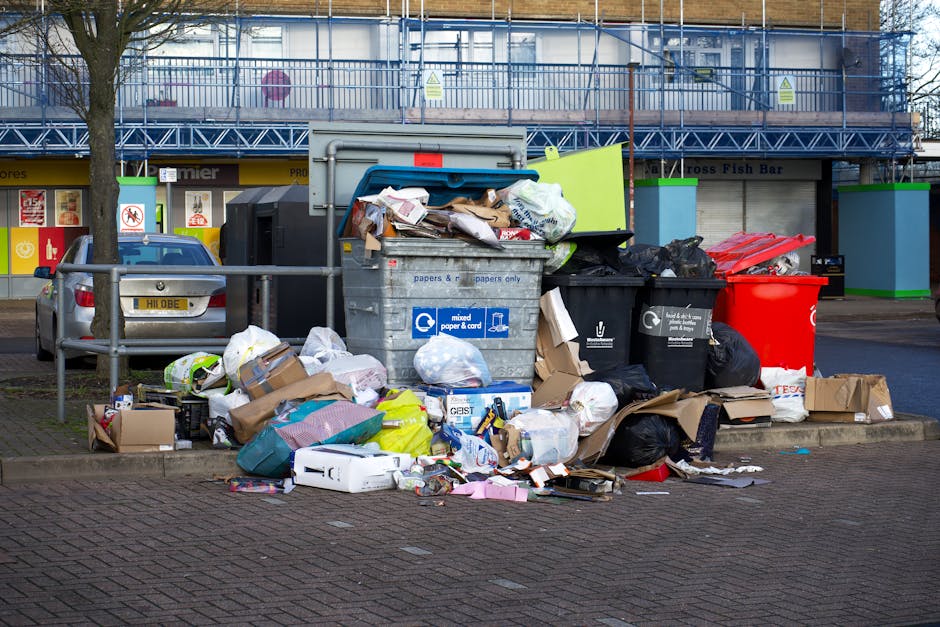
Commute-friendly rubbish clearance matters because timing is everything. Most people do not need a full-day collection, a deep planning exercise, or a complicated booking process. They need the clutter gone without rearranging their entire week. Around a busy station area, that usually means a service that can work around train arrivals, narrow windows, and the realities of finishing work tired.
It also matters because rubbish has a way of multiplying. One flat-pack box becomes two. A damaged chair waits by the hallway. Then the spare room, shed, or office corner starts carrying the weight of unfinished decisions. A quick collection after work breaks that pattern before it becomes a bigger job.
In practical terms, quick clearance near a station is often about convenience and control. You are not committing to a long project; you are making one definite move. That is especially useful for:
- tenants and flat-sharers who want common areas back quickly
- homeowners dealing with one-off bulky waste
- local businesses needing evening or late-afternoon removal
- landlords preparing between lets
- people who have no vehicle suitable for taking items to a waste site
There is another reason this approach is popular: it reduces the chance that rubbish becomes an eyesore, a fire risk, or a trip hazard. That is not dramatic language; it is just what happens when bags, cardboard, and broken items linger in hallways or shared spaces.
Expert summary: The value of post-commute clearance is not just speed. It is the combination of speed, predictability, and not having to think about the mess again tomorrow.
If the items are bulky or mixed, the right service may be a better fit than a standard bin-day approach. You can also explore related services such as house clearance, flat clearance, or furniture disposal depending on what needs removing.
How Norbiton Station: Quick Rubbish Clearance After Your Commute Works
The process is usually straightforward. Most providers will want to know what you have, roughly how much there is, and whether the items are easy to access. After that, they can suggest a collection window, often with the possibility of same-day or next-day booking if the workload allows.
In a station-area setting, the key practical detail is access. A van may need somewhere to stop safely. The team may need to carry items from a flat, side alley, basement, or shared entrance. The simpler the access, the quicker the clearance tends to be. That is why a few well-taken photos can save a lot of back-and-forth.
A typical quick-clearance flow looks like this:
- You send a description, list, or photos of the rubbish.
- The provider estimates the load type and accessibility.
- You agree the timing and expected scope.
- The team arrives, loads the waste, and clears the area.
- Items are then sorted for reuse, recycling, or disposal where appropriate.
If the job involves heavier or more awkward materials, such as broken shelving, old sofas, mixed renovation debris, or a cluttered garage, the booking may need more detail. For those cases, it can be helpful to check pages like garage clearance or builders waste clearance.
One small but useful point: "rubbish clearance" is a broad term. In practice, it might cover bagged waste, bulky household items, office junk, or mixed loads. If you know the category in advance, you are less likely to receive a quote that changes later. That is good for everyone.
Key Benefits and Practical Advantages
The main advantage is obvious: you get your space back. But the real benefits go beyond a tidy room. A good clearance service near Norbiton Station can improve how you use your home or workplace almost immediately.
- Less disruption: You do not need to spend your evening making repeated trips to a tip or finding bags and tools.
- Faster reset: Your room, hallway, office, or storage area becomes usable again the same day.
- Reduced lifting: Heavy lifting is handled by people who do it regularly and know how to move items safely.
- Better sorting: Reusable items, recyclables, and general waste can be separated properly.
- More flexible timing: Evening-friendly or post-work appointments fit real life better than daytime-only collections.
- Less risk of overfilling bins: Particularly useful when the amount is more than a council bin service can reasonably handle.
There is also a practical mental-health angle, though it should not be overstated. A cluttered entryway or living room can make a home feel "unfinished". Clearing it after your commute means you actually arrive to a calmer space rather than another task.
For business owners, the benefits are more operational. A cleared store room, back office, or stock area can improve movement, safety, and efficiency. If your need is commercial rather than domestic, take a look at business waste removal or office clearance for more targeted support.
Who This Is For and When It Makes Sense
This kind of service is useful for a wide range of people, but it is especially practical if you live or work near Norbiton Station and your schedule is tight.
It makes sense when you:
- have just moved in or out and need leftover waste removed quickly
- are replacing furniture and want the old items gone without delay
- have done a room clear-out after work and discovered far more than expected
- need to empty a spare room, loft, garage, or garden store
- manage a flat, rental property, or small business with limited storage space
- want a clear, fixed next step rather than a weekend of DIY hauling
It is also useful if you are dealing with a specific type of clearance. For example, somebody clearing a rented flat may need a different approach from someone disposing of garden waste or a full set of old desks. That is where service pages such as furniture clearance, garden clearance, and home clearance become relevant.
Ask yourself a simple question: do you need the waste gone soon, safely, and with minimal fuss? If the answer is yes, this is probably the right kind of solution.
Step-by-Step Guidance
If you want the process to feel smooth rather than rushed, preparation matters. Not much preparation, just the right preparation.
1. Sort what actually needs removing
Do a quick sweep and separate items into clear groups: keep, donate, recycle, and remove. This does not need to become a Sunday-long sorting ritual. Even a ten-minute decision pass can save time and money.
2. Check access before you book
Look at where the items are, how they will come out, and whether there are stairs, tight corners, parking limits, or timed building access. A team can only work efficiently if it understands the route out.
3. Photograph the load
Photos help the provider assess the job honestly. Include the full pile, any awkward pieces, and the route if it is unusual. If you are dealing with a loft, cellar, or top-floor flat, say so early.
4. Ask what is included
Clarify whether loading, lifting, disposal, and recycling are included. It is better to ask before the visit than to assume. That small question can prevent a headache later.
5. Choose a realistic time window
If you are booking after a commute, build in a small buffer. Trains run late, meetings overrun, and real life is rarely perfectly tidy. A practical provider will understand that.
6. Make the collection area easy to reach
Move smaller items together if safe to do so, unlock access points, and keep pathways clear. The team should do the heavy lifting, but you can still reduce delay by making the job straightforward.
7. Confirm the disposal route
Reputable operators should be able to explain how waste is handled. For more detail on secure handling and standards, see insurance and safety information and the company's health and safety policy.
Expert Tips for Better Results
Experience shows that the best clearance jobs are the ones where nobody has to guess. The more clearly you explain the waste, the better the outcome. Simple, yes, but true.
- Be precise about mixed waste. "A few bags" is not as useful as "six black bags, one broken chair, and two dismantled shelves".
- Flag anything unusual early. Items that may need two people, special handling, or extra access planning should never be a surprise.
- Use photos with scale. A picture of the pile next to a sofa, doorway, or bin helps more than a close-up.
- Check whether dismantling is needed. Some furniture can be removed intact; some cannot. If needed, ask whether that is part of the job.
- Keep the route clear. This sounds obvious, but it is one of the biggest time-savers on the day.
- Think about the next use of the space. If you are clearing a spare room to make it a home office or guest room, mention that. It helps you prioritise the right items.
Another practical tip: do not wait until the room becomes unmanageable. Early action usually means cheaper, faster, and calmer clearance. That is the sort of unglamorous advice that saves a lot of bother.
If your job is partly about replacing furniture, combine it with the right disposal route. For example, a sofa swap may be better handled through furniture disposal rather than general waste removal alone.
Common Mistakes to Avoid
Quick clearance works best when the booking is accurate. A few common mistakes can slow everything down or create unnecessary cost.
- Underestimating volume: One overstuffed room can be much more than it looks from the doorway.
- Hiding awkward access: If there are stairs, no lift, or tight parking, say so early.
- Mixing rubbish categories without warning: General waste, furniture, and construction debris may need different handling.
- Leaving items unprepared: Loose screws, sharp edges, or unstable stacks can slow the team and increase risk.
- Assuming every item is accepted: Some materials need special handling, so it is better to ask in advance.
- Booking too tightly around your commute: A little flexibility goes a long way when trains, traffic, and workdays all get involved.
A smaller but still common mistake is forgetting to think beyond the immediate clearance. If the area is likely to fill again because of a renovation, a business move, or a long-overdue declutter, it may be worth planning a fuller approach from the start.
Tools, Resources and Recommendations
You do not need specialist equipment to prepare for a rubbish collection, but a few basics help the process go more smoothly.
- Phone camera: Use it to send clear pictures of the load and access route.
- Simple checklist: Note what is staying, what is going, and what may need dismantling.
- Strong gloves: Handy if you are moving small items or sorting through dusty storage spaces.
- Bin bags or boxes: Useful for loose waste, paperwork, and smaller mixed items.
- Measuring tape: Helpful for bulky furniture, door gaps, and stairwells.
For many households, the most useful "resource" is actually a well-organised service page. If you are not sure which type of clearance fits your situation, these pages are often the best starting point:
- loft clearance for hard-to-reach storage spaces
- garage clearance for accumulated tools, boxes, and bulky items
- house clearance for larger domestic jobs
- builders waste clearance for renovation leftovers
If you prefer a provider background before booking, you can also review the company's about us page and contact us details. That is often enough to reassure you that the business is reachable, local, and practical.
Law, Compliance, Standards, or Best Practice
For rubbish clearance, compliance is not glamorous, but it matters. In the UK, waste must be handled responsibly, and homeowners or businesses should avoid passing waste to anyone who cannot explain where it goes. If a company cannot give a sensible answer about disposal, that is a red flag.
Best practice usually includes the following:
- clear identification of what will be removed
- safe lifting and loading practices
- proper segregation where recyclable or reusable materials can be separated
- appropriate handling of any hazardous or restricted items, where applicable
- transparent booking and pricing terms
For customers, the practical takeaway is simple: use a provider that treats safety and disposal seriously. If the job involves sharp material, heavy furniture, or awkward access, ask how the team manages risk. A trustworthy operator should be happy to explain. The company's terms and conditions and privacy policy are also worth reviewing before booking, especially if you are sharing access details or images.
Where sustainability matters to you, ask about recycling and reuse. Many people prefer waste to be minimised wherever possible, and that is sensible. It is not just a nice extra; it is often the difference between a straightforward clearance and one that feels wasteful.
Options, Methods, or Comparison Table
There are several ways to deal with rubbish after a commute. The right one depends on quantity, urgency, and how much heavy lifting you want to do yourself.
| Method | Best for | Pros | Limitations |
|---|---|---|---|
| DIY trips to the tip | Small, manageable loads | Low direct cost, full control | Time-consuming, needs transport, less convenient after work |
| Regular council collection | Everyday household waste | Routine and familiar | Not ideal for bulky, mixed, or urgent loads |
| Skip hire | Longer projects or ongoing renovation waste | Good for sustained work, flexible fill period | Needs space, may require permits, less suited to one-off after-commute jobs |
| Professional quick clearance | Bulky items, mixed waste, urgent removal | Fast, labour included, minimal hassle | Usually best when you want convenience over doing it yourself |
For many Norbiton commuters, the fourth option is the most realistic. You finish work, hand over the job, and move on with your evening. No borrowed van, no repeated lifting, no wasted Saturday morning. Fair trade, really.
Case Study or Real-World Example
Consider a fairly typical scenario. A tenant in a first-floor flat near Norbiton Station has been meaning to clear an old wardrobe, several boxes, and a broken desk for weeks. Each evening, the pile gets in the way of the hallway. It is not enough waste to justify a full weekend project, but it is too bulky to ignore.
Instead of waiting until the clutter becomes a bigger problem, they send a few photos after work, explain that the flat is on the first floor, and ask for a quick collection slot. The provider confirms access, gives a realistic estimate, and completes the clearance during a short evening window. The hallway is clear, the bedroom feels bigger, and the tenant does not spend two days trying to coordinate transport, bins, and heavy lifting.
That is the real appeal of this type of service. It does not need to be dramatic to be valuable. One cleared space can change how the whole place feels.
A similar approach works for small business premises too. A back office with redundant chairs and packaging waste can become usable again in a single visit, especially if the booking is tied to the end of the working day. If that sounds familiar, a more focused office clearance or business waste removal service is often the right fit.
Practical Checklist
Use this quick checklist before booking your collection.
- Confirm exactly what needs removing.
- Take clear photos from different angles.
- Check stairs, lifts, parking, and entrance access.
- Separate reusable or recyclable items if practical.
- Measure any oversized furniture or awkward pieces.
- Note whether dismantling will be needed.
- Ask what is included in the quote.
- Confirm the collection time window.
- Review safety and disposal information if the load is heavy or mixed.
- Make sure pathways are clear before the team arrives.
If you want to compare costs and plan ahead properly, the provider's pricing and quotes information is a sensible place to start. It helps you understand what to expect before you commit.
Get a free quote today and see how much you can save.
Conclusion
Norbiton Station rubbish clearance after your commute is really about making a busy day end well. You get a practical service that fits around real life, deals with bulky or unwanted items quickly, and helps you reclaim space without turning the job into a weekend project. For many people, that is worth far more than the convenience alone.
The best results come from clear communication, realistic timing, and a provider that treats access, safety, recycling, and disposal properly. If you know what you need removed, you are already halfway there. The next step is simply choosing the right service and letting someone else handle the lifting.
And if your clutter is part of a bigger clear-out, do not force it into the wrong category. The right match might be furniture, loft, garage, house, or builders waste clearance. A smart booking now usually saves time later.
Frequently Asked Questions
How fast can rubbish be cleared after I get back from Norbiton Station?
That depends on availability, the size of the load, and access details. In many cases, same-day or next-day options may be possible if you provide clear photos and book early enough.
What sort of items can be removed on a quick evening collection?
Common examples include bags of waste, broken furniture, cardboard, old household items, office clutter, and mixed junk. If the load includes unusual or bulky items, it is best to mention them upfront.
Do I need to carry the rubbish outside before the team arrives?
Not usually. A good clearance service should handle the lifting. You may help by making the route clear, but the main work should be done by the collection team.
Is this better than hiring a skip?
For a one-off after-work clearance, yes, it often is. A skip is useful for longer projects, but a direct clearance is usually easier when you want speed and convenience.
How do I know if my rubbish is classed as furniture, builders waste, or general waste?
Think about what makes up most of the load. Sofas, wardrobes, and tables usually point to furniture clearance. Renovation debris suggests builders waste. Mixed household junk may fall under general waste removal.
Will the price change if the rubbish is harder to access than expected?
It can, which is why access details matter. Stairs, parking issues, or hidden items may affect the quote. The safest approach is to be accurate from the start.
Can I book this for a flat or apartment near the station?
Yes, flats are common jobs for this kind of service. It helps to mention floor level, lift access, and any building entry restrictions when you enquire.
What should I do if I only have a small amount of waste?
If the load is genuinely small, compare the service with council disposal options or a DIY trip. If the items are awkward, heavy, or time-sensitive, a professional collection can still be the better choice.
How should I prepare for a same-day rubbish collection?
Take photos, confirm access, group the items together, and make sure someone can answer the door or give access when the team arrives. Preparation is what keeps a quick job quick.
Is recycling included in rubbish clearance?
Many providers aim to recycle and separate waste where possible, but you should always ask. If sustainability matters to you, check the company's recycling information before booking.
What if I have a complaint or need support after the collection?
It is sensible to review the provider's complaints procedure before booking. That way, you know who to contact and how issues are handled if something does not go as expected.
Can businesses near Norbiton Station use this service too?
Yes. Local businesses often need evening collections for office waste, stock room clear-outs, or bulky items that cannot wait until the next working day.